Sciatica can cause pain, aching, burning, numbness, or other uncomfortable sensations through the low back, hip, buttock, and leg. But symptoms that feel like sciatica can have more than one contributing factor.
My approach to sciatica relief in Austin looks at the bigger picture. Rather than simply working where you feel the pain, I look at how your low back, hips, glutes, legs, posture, and movement may be contributing to your symptoms. The goal is to find what changes your symptoms and build a practical approach around what actually helps you move and feel better.
WHY SCIATICA CAN BE DIFFICULT TO SOLVE
Sciatica symptoms don’t always tell us exactly where the problem is coming from. Pain, burning, tingling, or numbness traveling through the hip and leg can be influenced by the low back, hips, surrounding muscles, movement habits, previous injuries, and the nervous system itself.
That is why repeatedly working only where you feel the symptoms may provide temporary relief without changing the larger pattern. I look at how the surrounding areas move and respond, then use a combination of targeted hands-on work, movement, stretching, and self-care strategies based on what I find.
MY APPROACH TO SCIATICA RELIEF IN AUSTIN
I don’t use the same routine for every person seeking sciatica relief in Austin. I look at how you move, where you’re restricted, what aggravates your symptoms, and how your low back, hips, pelvis, legs, and surrounding areas may be contributing.
A session may combine targeted hands-on work, stretching, movement, positioning, and self-care strategies. The goal isn’t simply to make your symptoms feel better for a few hours. It’s to identify useful changes that help you move more comfortably and give you practical ways to manage the problem outside of a session.
WHAT A SCIATICA SESSION MAY INCLUDE
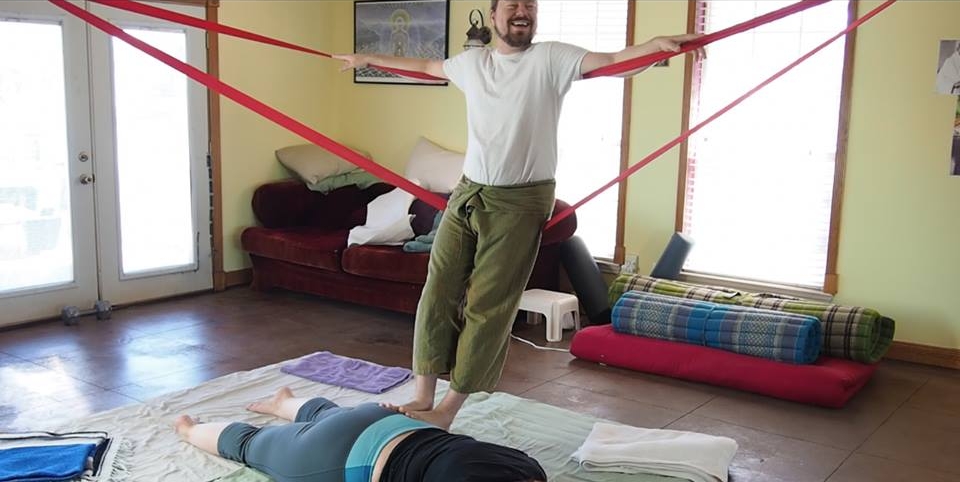
Depending on what I find, we may work with the low back, hips, glutes, legs, and other areas that influence how you move and how your sciatic symptoms respond. Sessions can include hands-on pain relief work, assisted stretching, movement, and techniques designed to reduce restriction and improve comfort.
I also teach you what you can do on your own. That may include simple stretches, movement strategies, or self-care techniques you can use between sessions. My goal is not to make you dependent on appointments—it’s to help you understand your body and have more options for managing your symptoms.
WHAT CAN CONTRIBUTE TO SCIATICA SYMPTOMS?
Sciatica symptoms can have more than one contributing factor. Irritation or sensitivity around the low back may play a role, but tension, restricted movement, or changes in the hips, glutes, and surrounding areas can also affect how you feel.
That’s why I don’t assume that pain traveling down the leg means we should only work where it hurts. I look at how your low back, hips, legs, and surrounding areas move together. The goal is to identify patterns that may be contributing to your symptoms and find practical ways to help you move more comfortably.
IS THIS RIGHT FOR YOUR SCIATICA?
This approach may be a good fit if you’ve been dealing with recurring sciatic pain, burning, tingling, numbness, stiffness, or discomfort traveling through the hip and leg, especially when simply working where you feel the symptoms hasn’t provided lasting improvement.
I work with people who want to understand what may be contributing to their symptoms and take an active role in improving how they feel and move. If you’re unsure whether your situation is appropriate for this type of work, you’re welcome to contact me before booking.
Learn more about my approach to pain relief and the different ways I work with clients.